Biohazard Cleanup
Blood, sewage, sharps and other biohazards removed and disinfected by cleanup crews in protective gear.
Learn more →Georgia · Columbia County
Need a biohazard cleanup company in Grovetown, GA right now? Call (877) 812-4220. You get cleanup technicians who work discreetly on trauma scenes, suicide scenes, hoarder homes, sewage backups and drug residue in Columbia County.
If anyone is in danger, call 911 first. For a suicide crisis, call or text 988.

What counts as a biohazard? Anything that can spread disease, such as blood, tissue, bodily fluids, human waste, raw sewage, sharps and some animal waste. In Grovetown, you can get residential and commercial biohazard cleanup that removes it safely and completely, with help from Grovetown Biohazard Cleanup Help.
Calls are answered day and night, and crews arrive in unmarked vehicles so the work stays private. The cleanup team seals off the area, removes what cannot be saved, disinfects what can and carries away the waste. Service covers Grovetown and nearby communities such as Harlem and Martinez.
The median home in Grovetown dates to 2008. Newer homes usually have drywall, laminate and engineered flooring, but fluids still reach the padding and subfloor. Fewer older adults in Columbia County live alone than the Georgia average, at 22%. Even so, unattended deaths happen in every community, and the cleanup steps are the same.
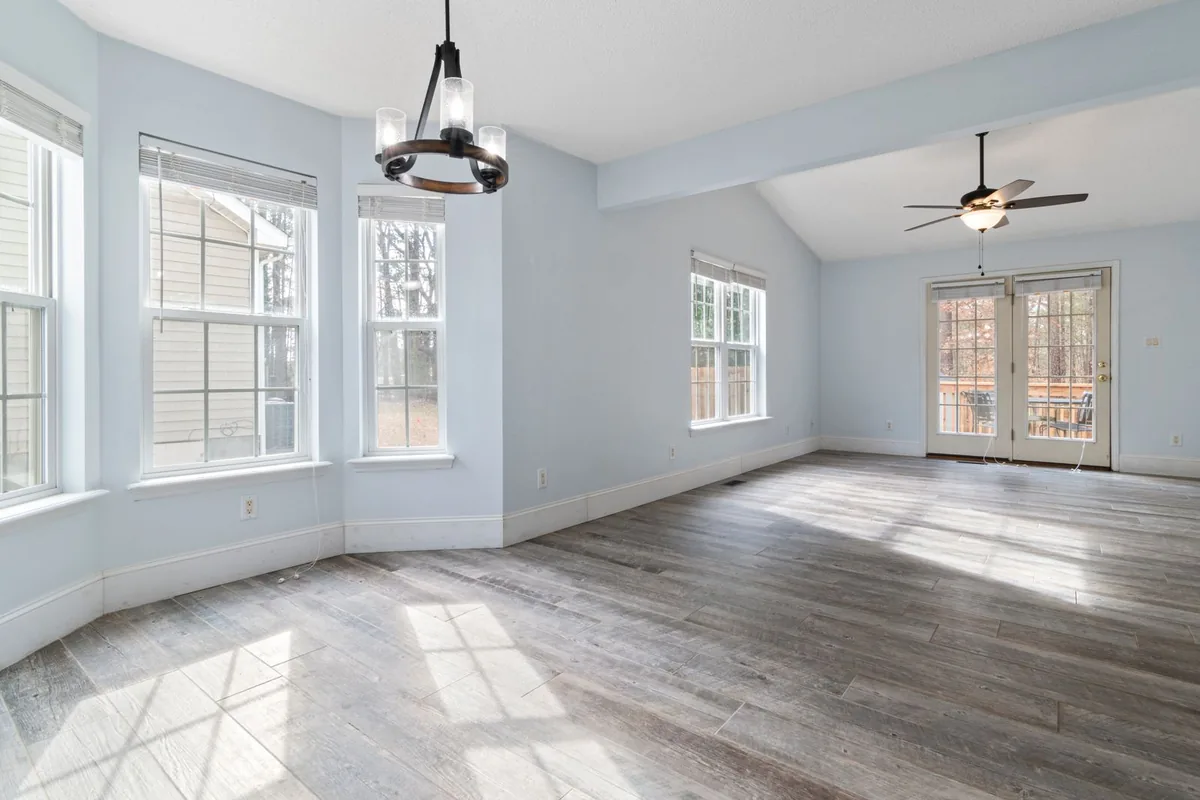
Decontamination starts with protecting people. Crews suit up in PPE, set up barriers so contaminants cannot drift into clean rooms, and work to OSHA bloodborne pathogen protocols (29 CFR 1910.1030) from the first step to the last.
Sealing, cleaning, disinfecting and ventilating work together. Plastic barriers and HEPA air scrubbers hold contaminants in place, EPA-registered disinfectants do the germ kill, and hydroxyl or ozone treatment clears the odor that is left.
These are the biohazard cleanup services you can get in Grovetown and nearby parts of Columbia County. Not sure which one applies? Call (877) 812-4220 and describe what happened.
Blood, sewage, sharps and other biohazards removed and disinfected by cleanup crews in protective gear.
Learn more →Blood, bodily fluids and residue removed and disinfected after law enforcement releases the scene.
Learn more →Trauma and crime scene cleanup for homes, workplaces and vehicles, handled privately with protective gear.
Learn more →Removal of soaked materials, safe waste hauling and deodorizing after a delayed discovery.
Learn more →Respectful biohazard cleanup that removes affected materials and treats odor so families do not have to.
Learn more →Compassionate cleanup after a death by violence, so families do not face the aftermath alone.
Learn more →Blood in cars, vans and rideshare vehicles cleaned from seats, mats and panels, then disinfected.
Learn more →Bodily fluid clean up with protective gear, EPA-registered disinfectants and sealed disposal of contaminated materials.
Learn more →Commercial feces cleanup and urine odor control for restrooms, shops, schools and care sites.
Learn more →Odor control for landlords, buyers and families whose property still smells after a loss.
Learn more →Safe pathways, careful sorting and deep cleaning for homes with heavy buildup of belongings.
Learn more →Hoarder house cleanout that clears every room and leaves the property ready for its next step.
Learn more →Crews clear waste, ruined materials and pests, then disinfect and deodorize each room.
Learn more →Squalor cleanup that removes filth, waste and spoiled food, then scrubs and disinfects every room.
Learn more →Category 3 cleanup with protective gear, sealed disposal and EPA-registered disinfectants.
Learn more →Emergency disinfection after contagious illness, with soft items treated or removed and the space checked.
Learn more →Biohazard remediation that removes soaked materials, treats odor and documents each step of the work.
Learn more →Medical waste left behind after illness, a move or a cleanup, removed with protective gear.
Learn more →Safe syringe pickup for places where children, pets or customers could be at risk.
Learn more →Discreet drug residue cleanup for rentals, homes, hotels and businesses, with protective gear throughout.
Learn more →Meth house cleaning for owners, landlords and buyers, including vents, walls, floors and soft materials.
Learn more →Fentanyl decontamination: powder and residue contained, collected and cleaned from homes, vehicles and workplaces.
Learn more →Toxic waste cleanup that identifies the substance, cleans affected surfaces and follows disposal rules.
Learn more →Hazardous materials contained, removed and hauled away after spills, leaks and accidents.
Learn more →Careful tear gas removal that protects people and pets and documents the work for insurers.
Learn more →Hantavirus-aware cleanup for cabins, sheds, barns and homes with HEPA-filtered equipment and disinfection.
Learn more →Containment, wet removal and disinfection of bat and bird guano in attics, barns and rooftops.
Learn more →Dead animal odor removal that targets the source of the smell, not just the air.
Learn more →Biohazard car detailing after an accident, a crime or a medical emergency in or near the cabin.
Learn more →Blood and body fluids removed and disinfected after falls, cuts, crashes and workplace injuries.
Learn more →Biohazard cleaning for commercial and industrial sites, from restrooms and break rooms to warehouse floors.
Learn more →Careful clearing of a home after a death, with biohazard cleanup first when it is needed.
Learn more →The crew comes in an unmarked vehicle and meets whoever has the key or access. Privacy is part of the job from the first minute.
Plastic sheeting, floor protection and air filtration go up before anything is moved. Protective gear goes on before the crew goes in.
Crews in protective gear remove contaminated materials, clean every surface and disinfect with EPA-registered products. Waste is sealed and carried out as regulated medical waste.
HEPA scrubbers and odor treatment clean the air. A final walkthrough, and ATP testing where it is useful, shows whether anything was missed.
Cleanup covers houses, apartments, rentals, offices, churches, shops and cars or trucks, with plans that fit each type of property.
Cleanup technicians know families may be grieving. They keep conversations short, kind and free of judgment, and they treat belongings with care.
One biohazard cleanup company covers removal, disinfection, odor removal and damaged materials, so the family can step back.
A final inspection, with odor and surface checks where they help, confirms the area is safe before the cleanup is called complete.
Biohazard cleanup in Grovetown, GA typically costs $500 to $25,000, depending on the type of biohazard, the size of the affected area and how far fluids soaked into porous materials.
Most residential jobs cost $3,000 to $5,000 (Fixr). Biohazard cleanup is priced by the work that is needed, not by a flat rate that fits every home. The cleanup team explains the cost range after hearing what happened, then confirms the scope during the walkthrough.
| Type of job | Typical range |
|---|---|
| Blood spill cleanup, small area | $500 - $2,500 |
| Crime scene cleanup, most homes | $1,500 - $7,500 |
| Unattended death cleanup | $2,000 - $7,000 |
| Suicide cleanup | $1,500 - $5,500 |
| Sewage cleanup, most homes | $2,000 - $10,000 |
| Hoarding cleanup, level 3 home | $2,000 - $5,000 |
| Meth lab cleanup, typical | $15,000 - $20,000 |
Estimates only, not a quote. Sources: Fixr, Yelp Costs, BioCleaners Directory, PushLeads, Dropcurb, Bob Vila and cleanup company cost guides. Call (877) 812-4220 to talk through the job.
Columbia County has a Relatively Moderate river flood risk rating from FEMA. Floodwater mixes with sewage, and anything it touches needs full biohazard cleaning, not just drying.
With a vacancy rate of 11% in Columbia County, empty buildings can collect animal waste, drug paraphernalia and storm damage that nobody sees until later.
Hoarder homes can hide rotting food, animal waste, mold and pests, along with fire and structural hazards. Hoarding cleanup sorts belongings and restores a livable condition.
About 22% is the census figure for older adults living alone in Columbia County. When a person dies alone, days may pass before anyone knows, and unattended death cleanup follows.
When a death goes unnoticed for days, decomposition fluids reach flooring and subfloor and the odor spreads. Death cleanup removes the affected materials and treats the odor at the source.
Falls, power tool injuries, farm and industrial accidents and car crashes can leave blood and tissue behind. Accident scene cleanup removes the trace so the space can be used again.
Biohazards are biological materials that can spread disease and cause serious health risks. Cleanup technicians look at two things on every job: what kind of biohazard is present, and how far it has spread. Together they set the safety steps, the timeline and the cleanup cost.
OSHA's Bloodborne Pathogens Standard, 29 CFR 1910.1030, sets rules for protective equipment, handling, training and disposal when workers face blood or other potentially infectious materials. Biohazard cleanup crews follow it on every job.
The body is removed by a funeral home or the authorities. Cleaning the room afterwards is not their job; the family, landlord or estate hires biohazard cleaners for death cleanup, decomposition removal and odor removal.
Yes. Raw sewage is treated as Category 3 water because it can carry bacteria such as E. coli, viruses and parasites. Porous materials it touches usually must be removed, and the rest is cleaned and disinfected.
Call 911 if anyone is in danger. Keep everyone out of the affected area, do not clean anything, and wait for law enforcement to release the scene. Then call your insurance company and a biohazard cleaning company to plan the cleanup.
Symptoms such as stomach pain, vomiting and diarrhea can begin within a few hours to a few days after contact with raw sewage, depending on the germ. Sewage is a Category 3 biohazard, so it should be cleaned by a crew wearing protective gear, and anyone with symptoms should see a doctor.
Usually it is better not to. The affected area is sealed off, odor and chemicals may be present, and the work is easier to do safely with people and pets elsewhere. The crew can say what is safe for your situation.
Tell the landlord and the renters insurer right away. With renters in about 41% of homes in Grovetown, many rentals have a process for this. The building is usually the owner's job, and belongings may fall under the tenant's policy.
It can. Columbia County has a Relatively Moderate river flood risk rating from FEMA. Wherever floodwater or a sewer backup enters a home, the water is treated as Category 3 and needs full cleaning and disinfection.
The service area reaches from Grovetown to Appling, Harlem and Martinez. Whichever town the property is in, the process and the protective standards stay the same.
Call (877) 812-4220 day or night and a cleanup specialist will answer.
Call (877) 812-4220